Historical Perspective of Independent Living Councils
A Grassroots Movement
In the late 1960s in California, a group of Berkeley students with severe disabilities recognized that their options for self-determination were greatly limited by the existing medical and rehabilitation systems. They knew that with certain skills and support services, they could control their own lives — but attempts to acquire the necessary network of supports were met with resistance from the medical and rehabilitation communities.
Professionals were unwilling to believe that persons with such severe disabilities were capable of surviving without their “care.” When, in 1972, the Berkeley activists established the first Independent Living Center and began using the methods of the growing self-help movement to prove otherwise, independent living became a full-fledged civil rights issue.
People with disabilities began taking an active role on local, state, and national levels in shaping issues that affected their lives. Active, effective advocacy by people with disabilities for people with disabilities became the essence of the movement. Community-based groups formed to address problems, identify barriers, and develop action plans to educate their communities and influence policymakers.
Landmark Legislation
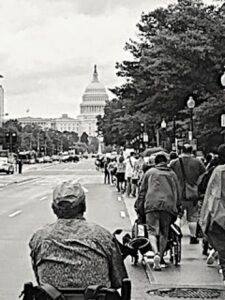
In 1973, Section 504 of the Rehabilitation Act — sometimes called the Civil Rights Act for the Disabled — was enacted. This landmark legislation prohibits discrimination against persons with disabilities in programs, services, and benefits that are federally funded. It set the foundation for future generations of people with disabilities to access life pursuits that their able-bodied counterparts had long taken for granted: education, employment, housing, transportation, and more.
By 1978, under Rehabilitation Act Amendments, the federal government began providing funding to establish Independent Living Centers in virtually every state and U.S. territory.
As part of the 1992 amendments to the Federal Rehabilitation Act, each state was required to establish a State Independent Living Council (SILC) — giving people with disabilities a formal voice in shaping the policies and services that affect their lives.
